Plant Care
Black Cherry Pink Princess Philodendron
Explore Amanda's Black Cherry family and its individual cuttings while learning how to care for dark leaves and unpredictable pink markings.
Rooted Craft Co
Black Cherry Pink Princess Philodendron Care
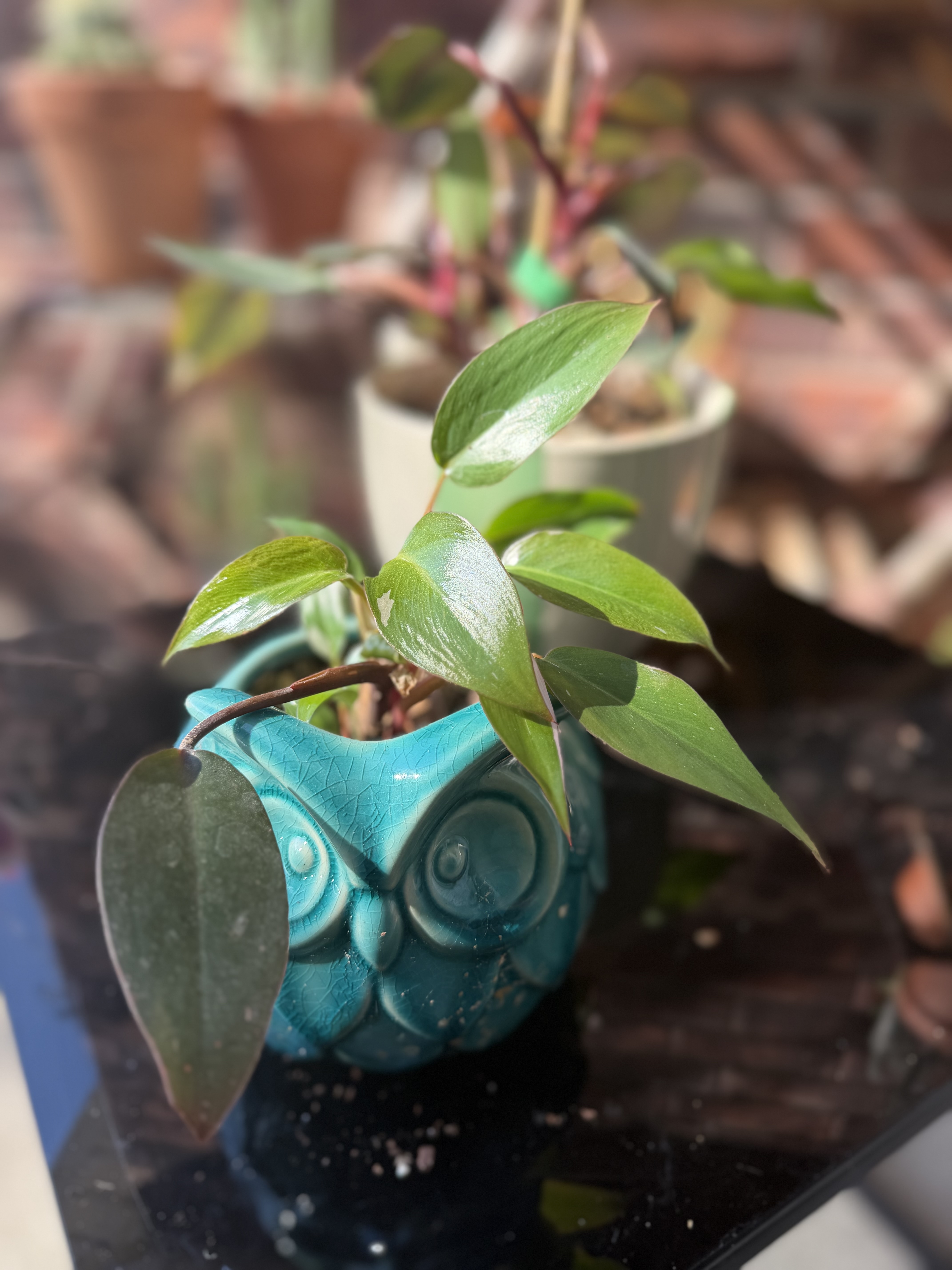
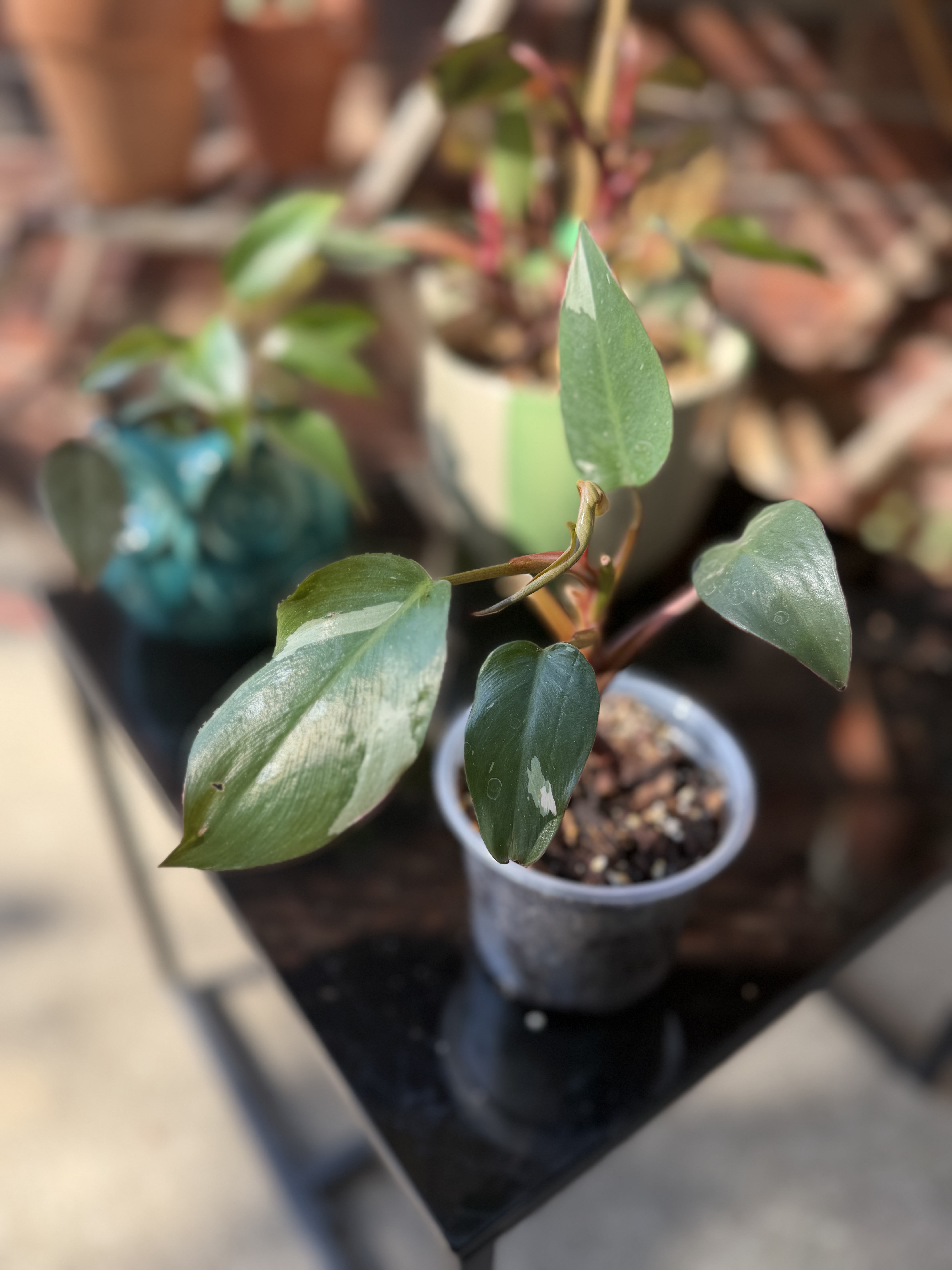
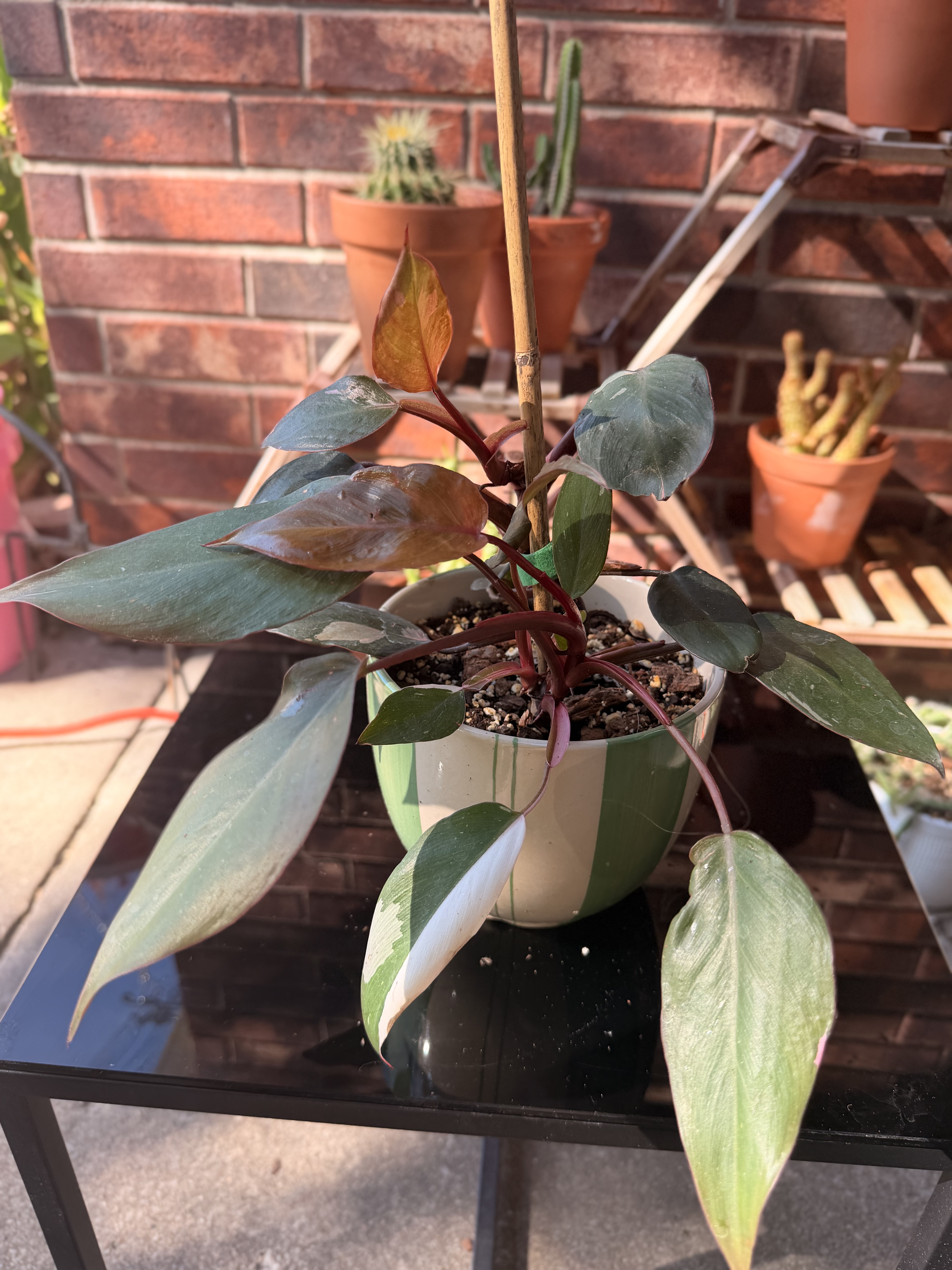
Black Cherry Pink Princess is a trade name used for especially dark Pink Princess Philodendrons. Its climbing stems carry deep green to burgundy leaves with unpredictable pink markings. Bright, filtered light and steady care help it grow without scorching the pale areas.
- Light
Give it bright, filtered or indirect light. The plant needs enough light to support variegated growth, but strong direct sun can burn the pink sections. Turn the pot regularly so growth stays balanced.
- Water
Let the top inch or two of potting mix dry before watering. Soak the mix evenly, then let excess water drain. Water less often when growth slows.
- Soil
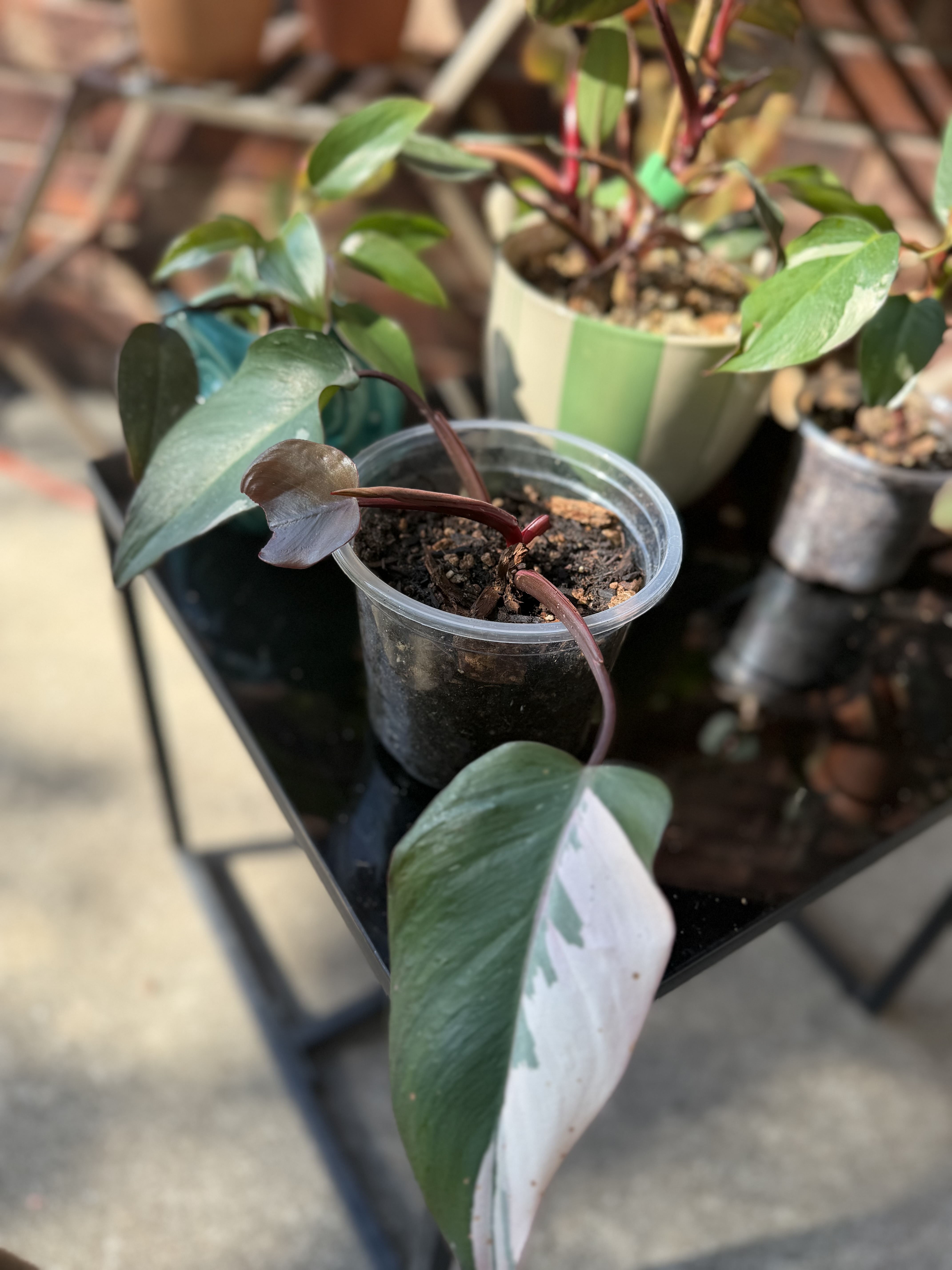
Use a loose, free-draining houseplant mix with plenty of organic matter. Perlite and fine orchid bark help create airflow around the roots. Always use a pot with a drainage hole.
- Temperature
Keep it warm, ideally between 65 and 85°F. Protect it from cold drafts and temperatures below 59°F.
- Humidity
Average indoor humidity is acceptable, though moderate to high humidity can help new leaves open cleanly. Keep good airflow around the plant and avoid leaving the foliage wet.
- Common issues
Each new leaf may carry a different amount of pink, which is normal. Brown patches on pink tissue can follow harsh sun or very dry conditions. Yellow leaves and soft stems often point to excess water. Watch for scale, spider mites, mealybugs, aphids, and thrips.
Care steps
- Set it in bright, filtered light.
- Water when the top inch or two of soil feels dry.
- Let the pot drain completely after watering.
- Keep it warm and away from cold drafts.
- Turn the pot and check new growth for pests.
- Add a support as it climbs. Once it is growing well, propagate it from a stem-tip or leaf-bud cutting.
Care Photos
What to Look For
Swipe or scroll through all 3 photos. Open one to see it full size.