Plant Care
Snake Plant Variety
Flat-leaf snake plants store water in firm leaves and rhizomes. Learn to spot dry soil, choose light, and handle cuttings.
Rooted Craft Co
Snake Plant Variety Care
Snake Plants store water in their firm leaves and rhizomes, so they prefer to dry fully between waterings. Most varieties tolerate low light, but brighter indirect light supports stronger, steadier growth.
- Light
Bright, indirect light is best. Most Snake Plants tolerate lower light, though growth will be slower. Gentle sun is usually fine, but move a plant gradually so the leaves do not scorch.
- Water
Let the potting mix dry completely before watering again. Water the soil thoroughly, then empty any water left in the saucer or cover pot. Cut back further during cool, low-light months.
- Soil
Use a gritty, free-draining cactus or succulent mix. Add perlite or coarse grit if needed, and choose a pot with a drainage hole.
- Temperature
Normal indoor warmth suits this plant. Keep it above 50°F and away from cold drafts, frost, and sudden temperature changes.
- Humidity
Average or dry indoor air is fine. Extra humidity is not needed, and good airflow helps the soil dry between waterings.
- Common issues
Soft leaves, a mushy base, or yellowing usually point to overwatering and root rot. Wrinkled or curling leaves can mean the plant has stayed dry for too long. Watch for mealybugs, scale, and spider mites. Variegated forms may lose their markings when grown from leaf cuttings.
Care steps
- Set it in bright, indirect light.
- Let the soil dry completely before watering.
- Drain the pot and empty the saucer.
- Keep water out of the center of the leaves.
- Check the leaf bases for softness or pests.
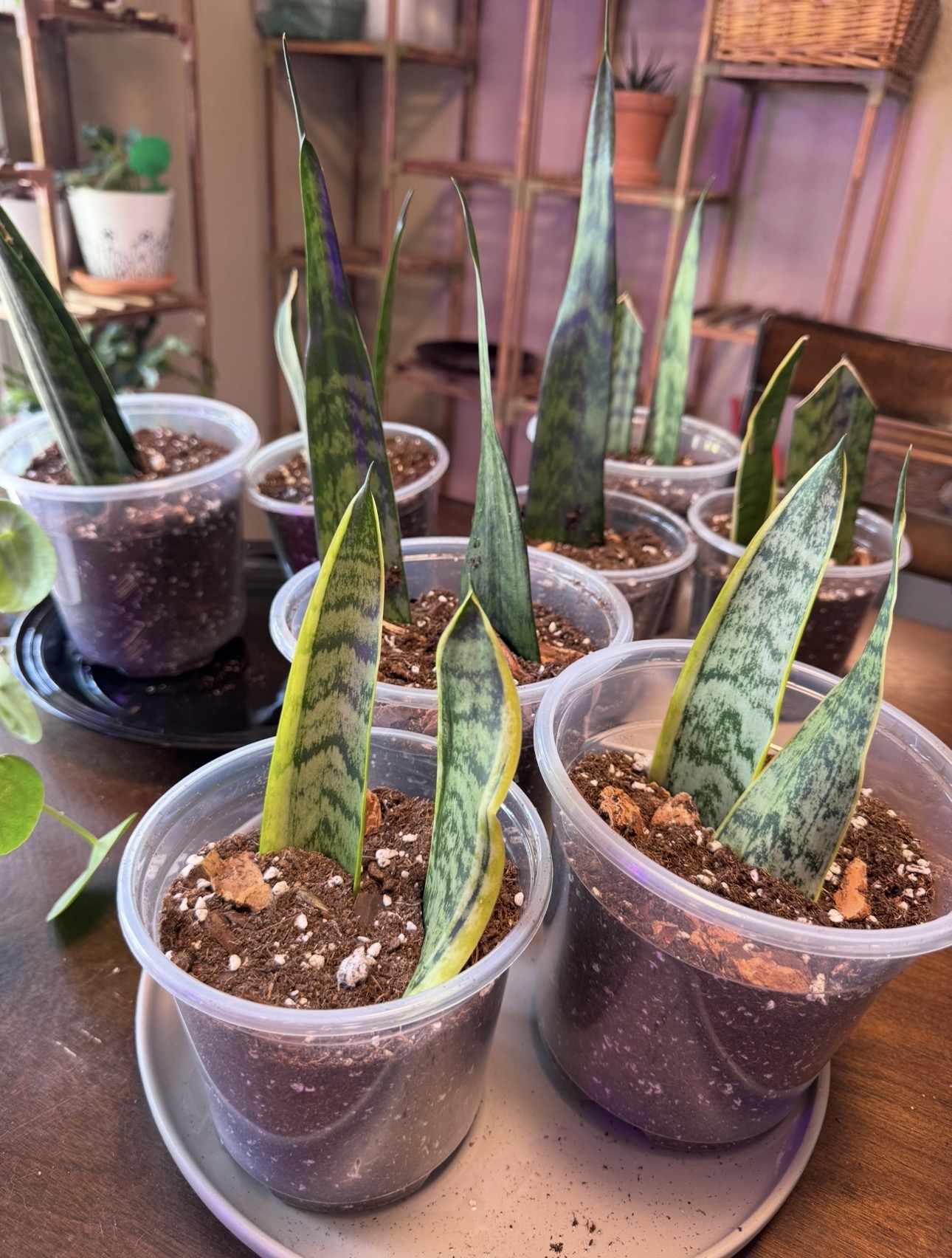
- Once it is growing well, divide the rhizomes to make a new plant and preserve the variety.
Care Photos
What to Look For
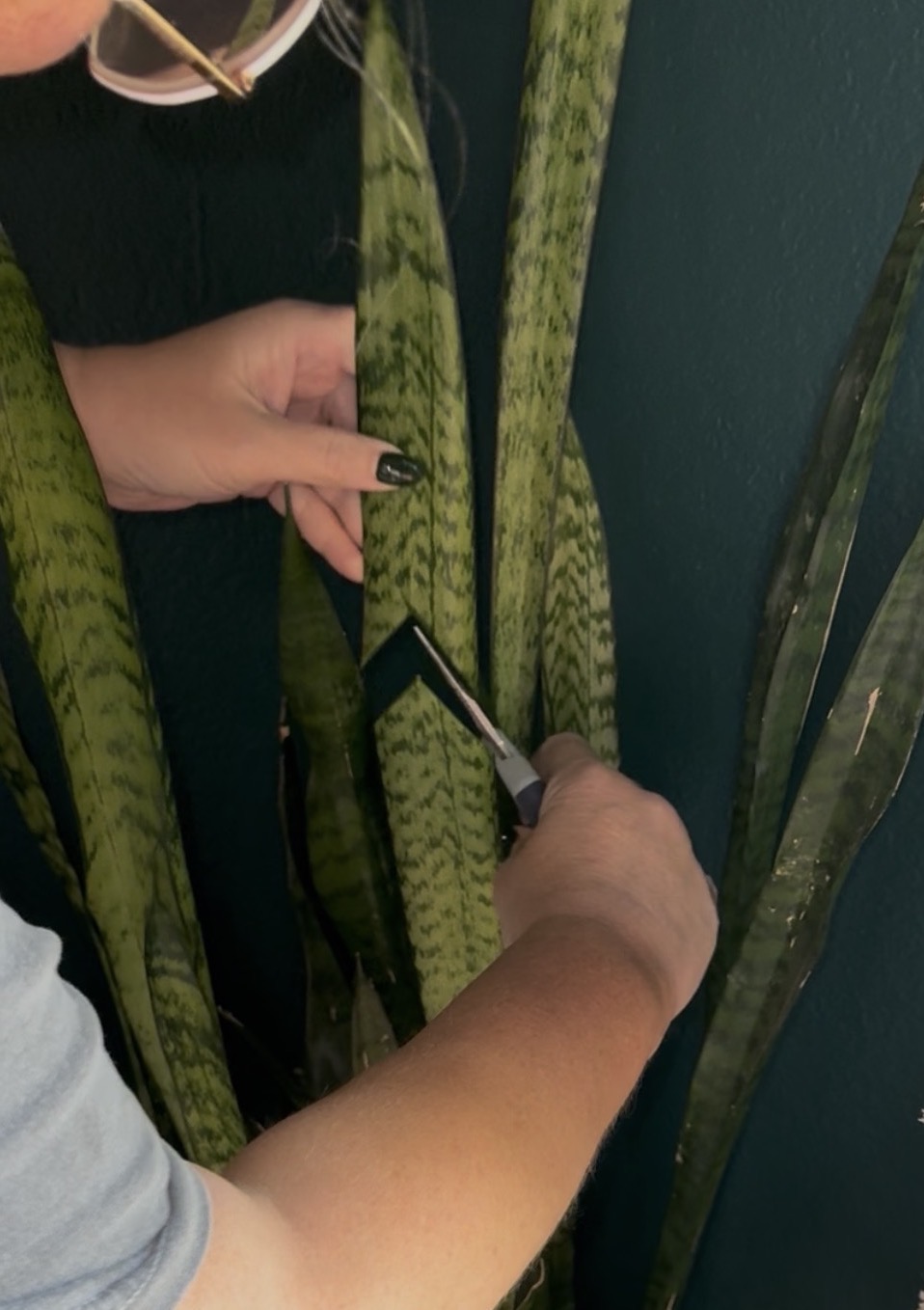
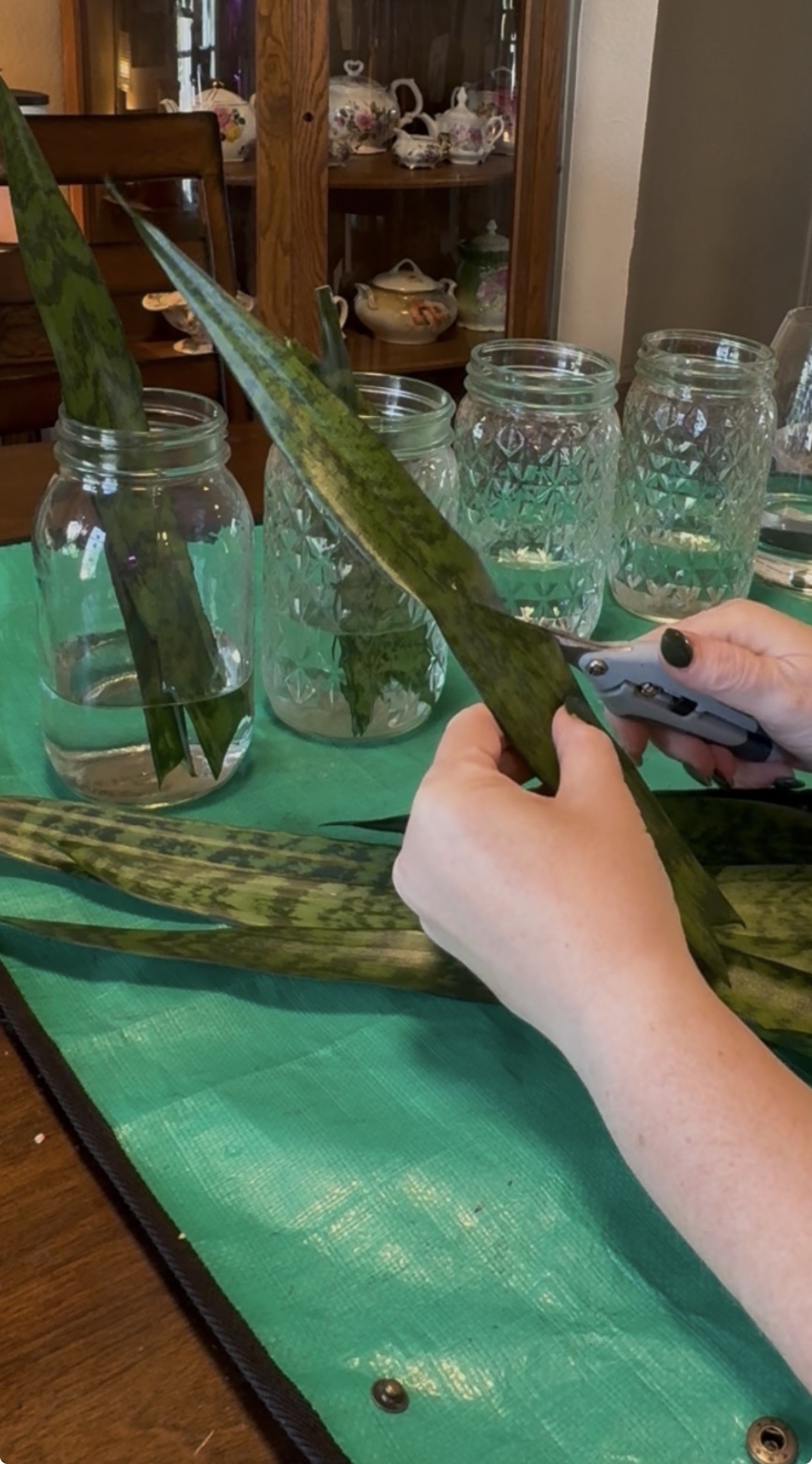
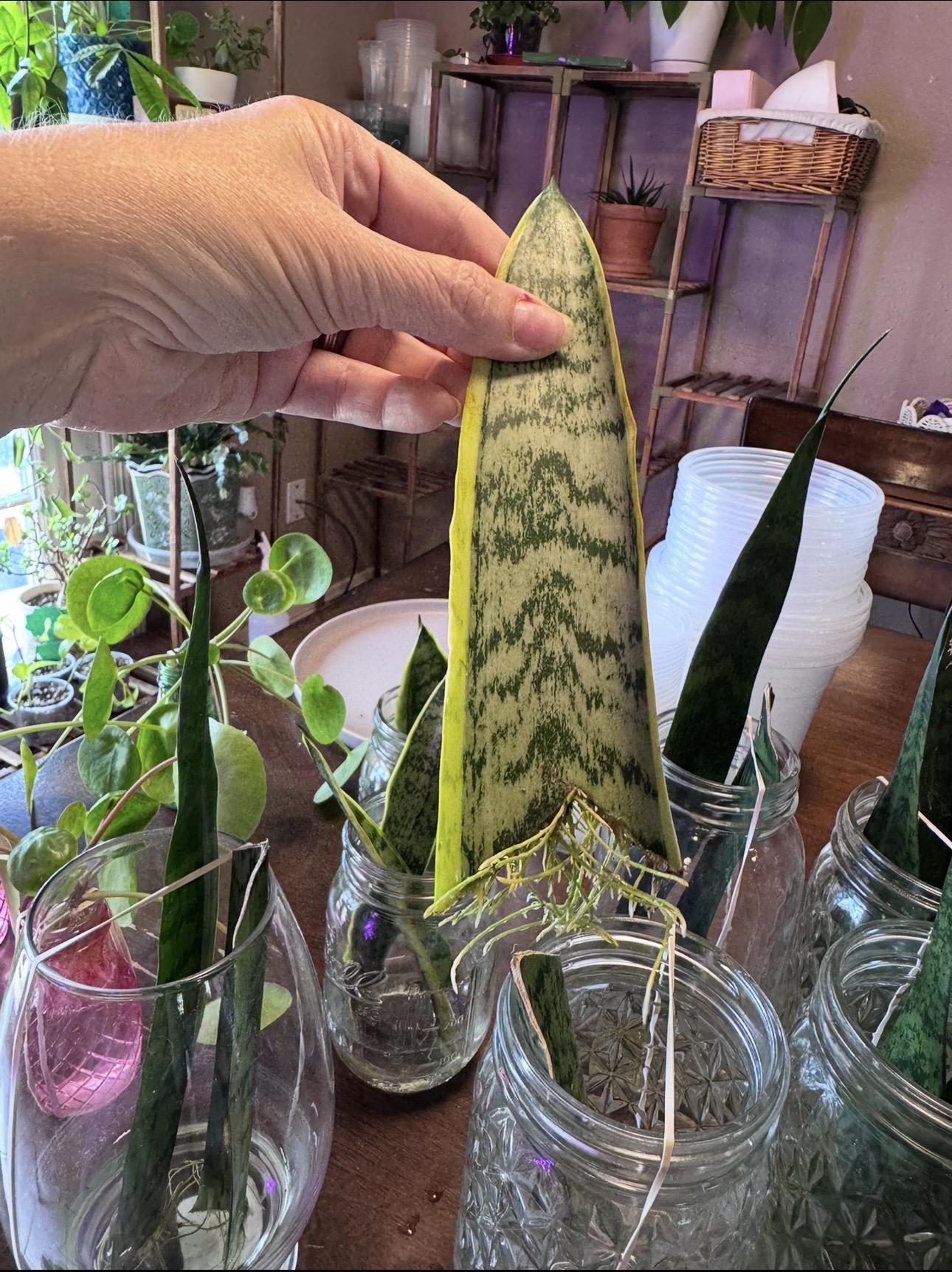
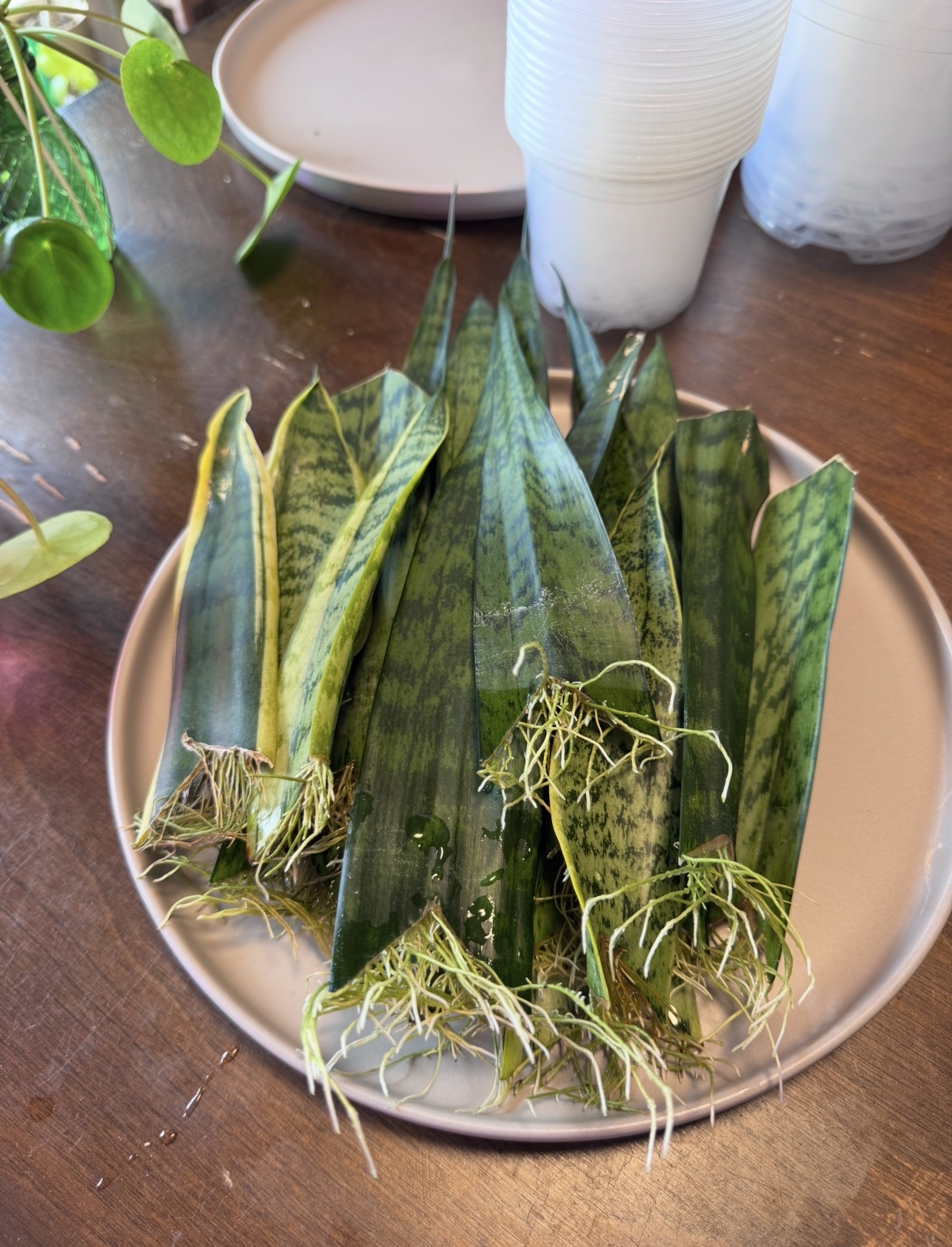
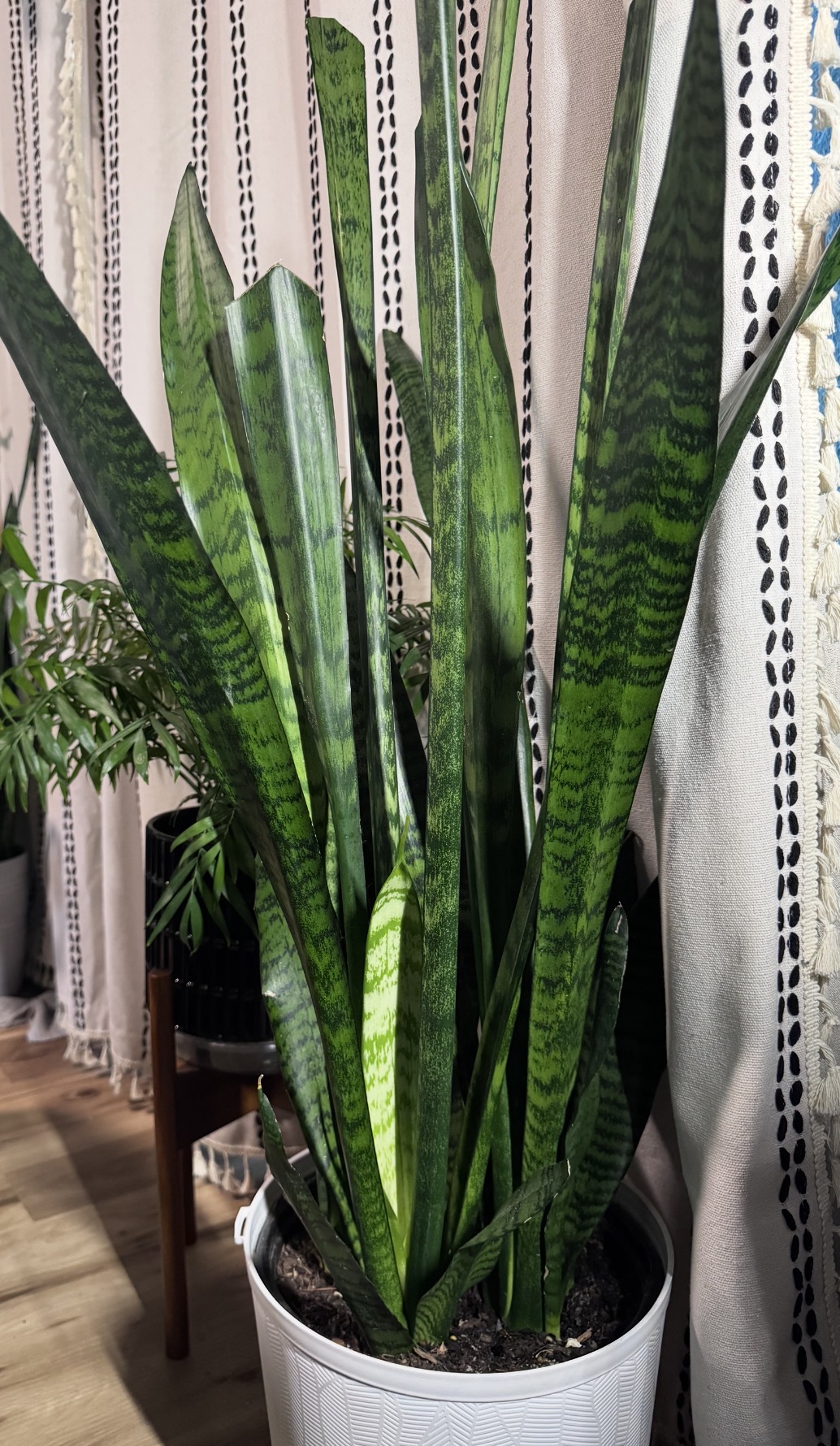
Swipe or scroll through all 6 photos. Open one to see it full size.